
Posted in Art and Poetry, Thoughts

Reflections on Mein Vaapas Aaunga

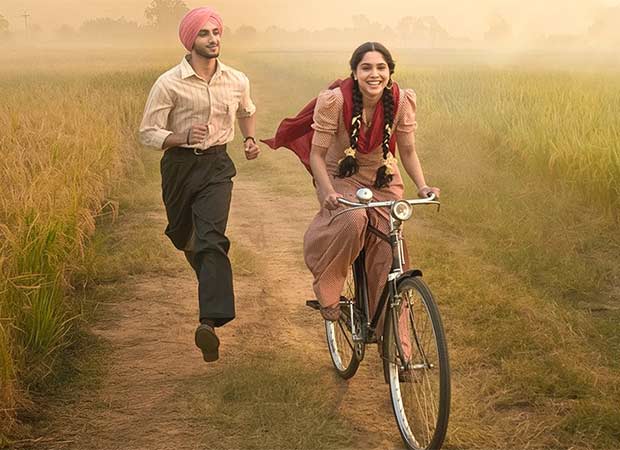
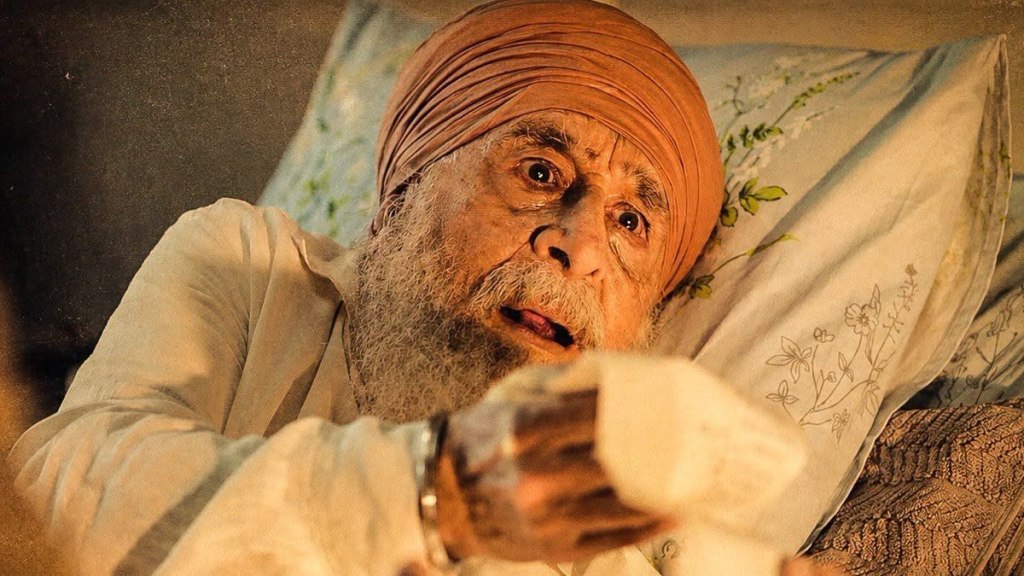
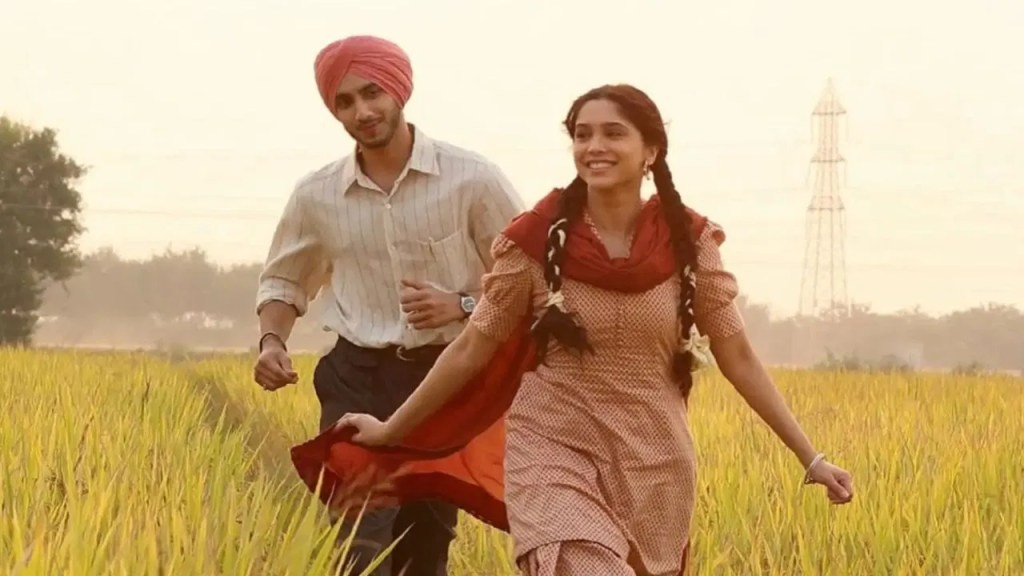
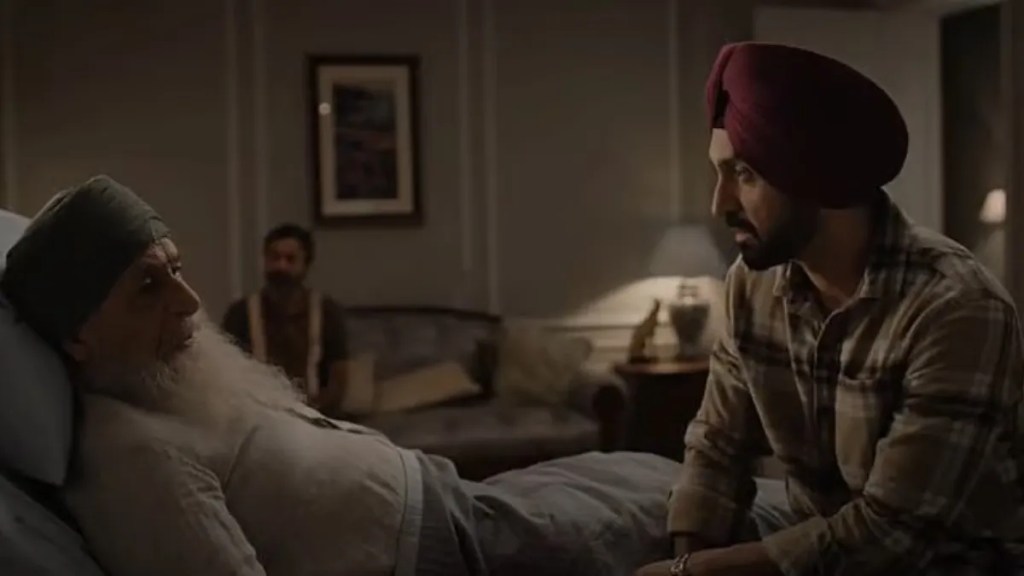
It’s been a week since I watched Imtiaz Ali’s Mein Wapas Aaunga, and the weight of it still hasn’t lifted. I have been listening to “Jaise Tu Hai Paas Mere, Tere Paas Main” on an endless loop. The longing in Naseeruddin Shah’s eyes as Keenu that seems to transcend his physical presence has stayed with me and I decided to write.

Imtiaz Ali movies have a way of making us linger in self-reflection, like after reading a poetry you come back to it to find the unwritten feelings in the spaces between the words.

One colleague casually said she watches movies for entertainment so only happy movies qualify . And I asked myself – Soph, why do you do this to yourself ? Why Imtiaz Ali? Probably, I gravitate toward Imtiaz Ali’s work because his films lets you enter a space within yourself a little crack from where the light passes in.

When you curate your life to shield yourself from the sharp edges of sorrow, you unknowingly have also numbed your capacity for deep, resonant joy.

This shielding instinct is perhaps why we remain so detached from history. The India-Pakistan Partition of 1947 is the backdrop of Keenu’s story. We know the statistics of partition : The largest mass migration in history, uprooting over 18 million people. But when humans become numbers, the reality doesn’t cut through. It remains “general awareness”, facts we memorize for exams or cite in political debates to sound intelligent.

That is awareness just floating at the intelligence layer. If it had ever connected deeper we humans would have avoided the wars and forced migrations which till today continues.

To turn that cold data into consciousness that actually hits home, you have to see it through the pain and longing in Keenus eyes. You have to witness the specific tilt of his head, the heavy silence in his room, and the way he carries the weight of a land he can no longer reach and the poetry he wrote to be read to the girl for whom he held the purest kind of love.

His story gets complicated with his advanced dementia. Keenu confabulates, creating stories to fill the gaps in his memory. Yet, the amazing part was the core aspects of his life story is intact in his soul only the superficial details shift. When he speaks of “Martians” attacking, he isn’t talking about outer space; he is describing the invaders who shattered his home. For him, the violence wasn’t about religion, it was about a forced alienation, the arrival of “aliens” who made him a stranger in a Sargodha where everyone had once lived harmoniously.

The film reveals, with devastating clarity, that while his brain faded, his connection to Sargodha and Jia only intensified. Dementia could not erase what was woven into his very being. 

This journey toward closure becomes a mirror for his grandson, played by Diljit Dosanjh who has been struggling with his own modern-day commitment issues. Watching his grandfather’s agonizing need to keep a promise made decades ago to return and read his poetry to the woman he loved, the grandson realizes the shallowness of his own fears. But he also realised deep within him he too longs for a love as pure as his grand father.  Imtiaz Ali’s movie struck a chord across generations and the movie is primarily getting promoted by word of mouth using social media.

Our modern life chases for the LCM or “lowest common multiplier” for happiness because it’s easy to manage. We look for the “happy movies” because they don’t demand anything from us. But Keenu’s story points us to the HCF . His dementia stripped away all the “multiples” the trivial details, the daily routines, the modern distractions and left him with the only factor that mattered: his love for Jia and Sargoda. 

It leaves one sitting in the quiet darkness of the theatre while the end credits are playing on the screen , wondering what irreducible truth will remain of our own story when everything else is stripped away.

Posted in Thoughts

Echoes of Eko: The Fine Line Between Safety and Silence

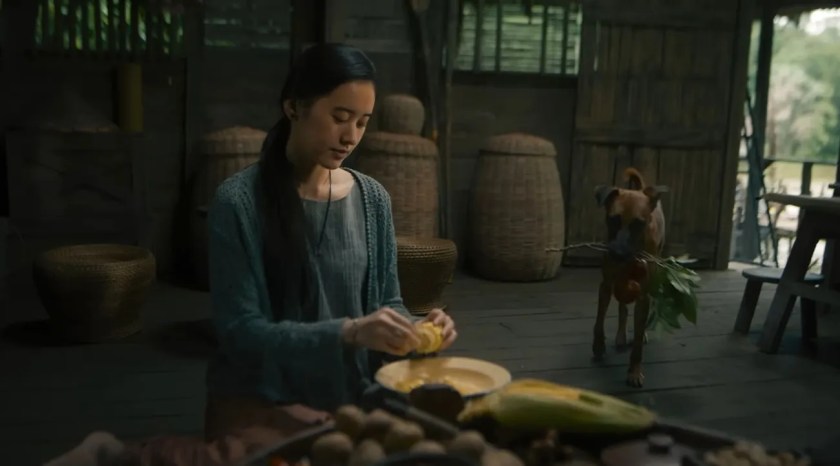
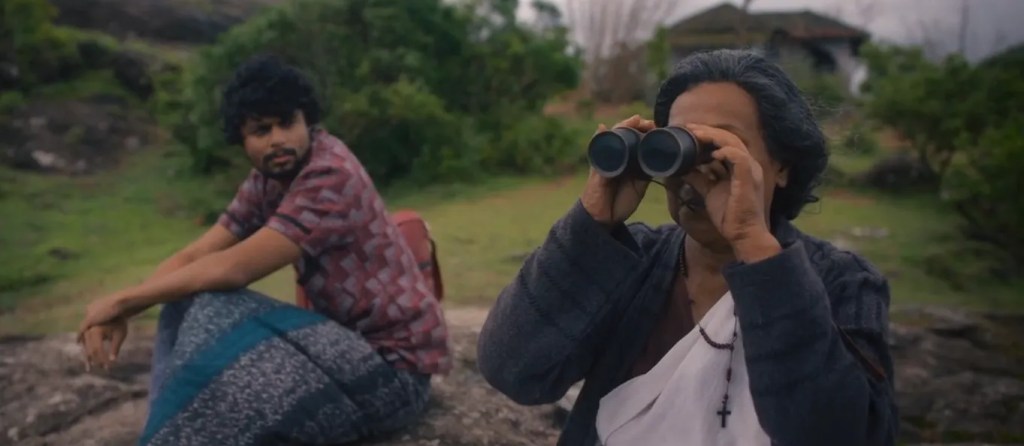
I recently watched the movie Eko. On the surface, it’s a fictional tale set amidst the untamed, wild hills bordering Kerala and Karnataka, revolving around a set of highly trained dogs – their loyality and how they can have only one master. But like all great storytelling, the wilderness is just a backdrop for a much deeper human examination.

The entire film hinges on a single, devastating dialogue that has stayed with me long after the credits rolled:

“Sometimes, protection and restriction look the same.”

While the movie applies this to its narrative context, this core theme reflects a harsh, uncomfortable truth about our society, our history, and even the way we love. It forces us to ask: At what point does a sheltering hand become a stifling grip?

The Historical Echo of “Safety”

If we look back in time at the lives of our mothers, grandmothers, and their mothers before them, we see this dynamic played out on a grand scale.

Generations of women were undoubtedly “protected.” Yet, this protection often came at a heavy price: restriction. They were restricted from thinking autonomously, restricted from voicing their true feelings, and restricted from pursuing dreams—all often under the heavy banner of “Family Honour.” They were safe, yes, but were they free?

It’s a complex argument. Don’t women want to be protected? Of course. Everyone desires safety. But if we step aside from gender politics and look at types of energy, we see the trade-off. The “feminine” energy—the nurturer, the healer, the carer within all of us—needs a sense of safety to thrive in abundance. Perhaps our ancestors intended for the masculine to hunt and protect so the feminine could nurture.

But that ancient equation became corrupted. The protection started coming with fine print: domination, power dynamics, and control.

The Superwoman Response

Today, we see a reaction to that historical restriction. The women of today often attempt the “superwoman phenomenon”—trying to do it all, embodying both the provider and the nurturer.

They might be exhausted, stretched thin, and overwhelmed, but many prefer this exhaustion over the suffocating restrictions their previous generations endured. They would rather burn out in freedom than rust out in a cage disguised as safety.

The Fine Line: Love vs. Fear

This brings us to the crucial question: Are protection and restriction merely two sides of the same coin? Or can protection exist as a pure act of trust, creating a space where the nurtured can grow leaps and bounds?

The answer lies in the intention. It is the incredibly fine line between Care and Control.

Often, control is disguised as care. As parents, partners, or friends, we might do this unconsciously, simply repeating patterns of how we were raised. But there is a fundamental litmus test to distinguish the two:

  • The Source of Care is Love.
  • The Source of Control is Fear.

That is the vital difference.

If a mother still micromanages a married, middle-aged son or daughter in the name of “care,” it is likely not care at all. It is her own fear—fear of irrelevance, fear of the empty nest, fear of their failure—masquerading as love. Both parties might be totally unaware of this dynamics.

We see this on a macro level, too. Societally, people often support authoritarian leaders or dictators in the desperate hope of “protection,” only to realize too late that they have been restricted from freedom of expression and basic rights all along.

The Power of Unanswered Questions

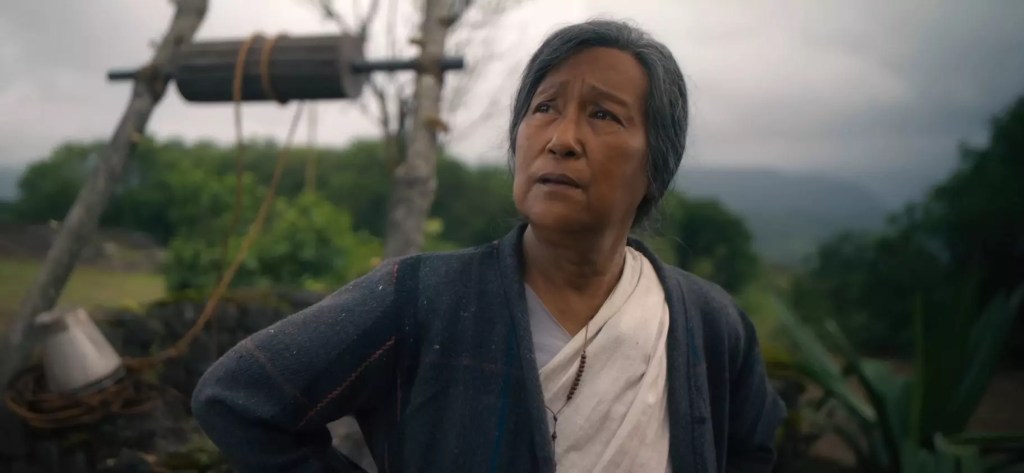
The plot of the movie may have revolved around finding the character Kuriachan, but for me, the emotional essence of Eko lay in the eyes of Soya (Mlaathi Chedathi), Kuriachan’s wife. Her silent gaze seemed to hold the weight of this very paradox.

A movie has done its job when it forces you to question your own assumptions and not trying to give you the answers. Eko succeeds brilliantly here. It leaves us looking in the mirror and introspect.

Posted in Travel

Rooted Together: A Morning of Trees, History, and the Meaning of Inclusivity

Some days just unfold on their own — unplanned, unhurried, yet filled with moments that stay with you long after they end.

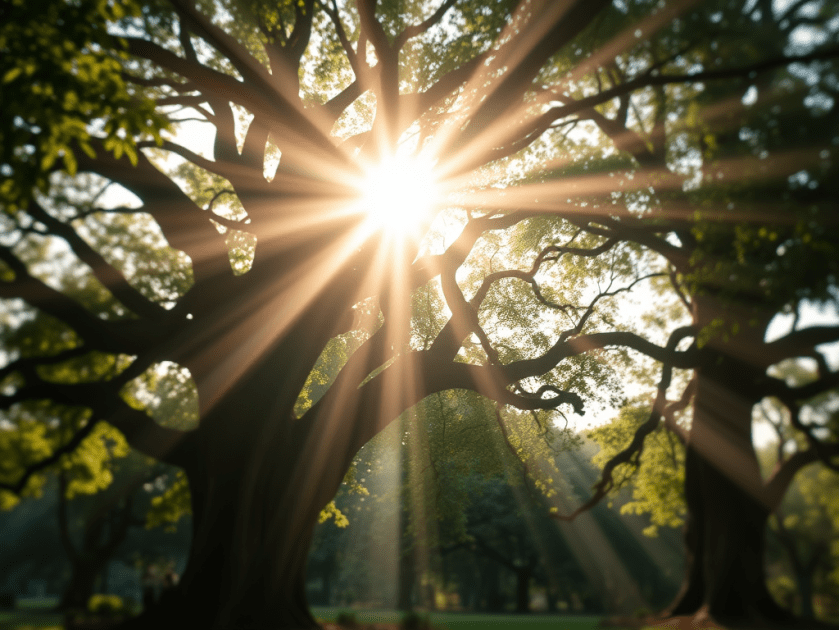
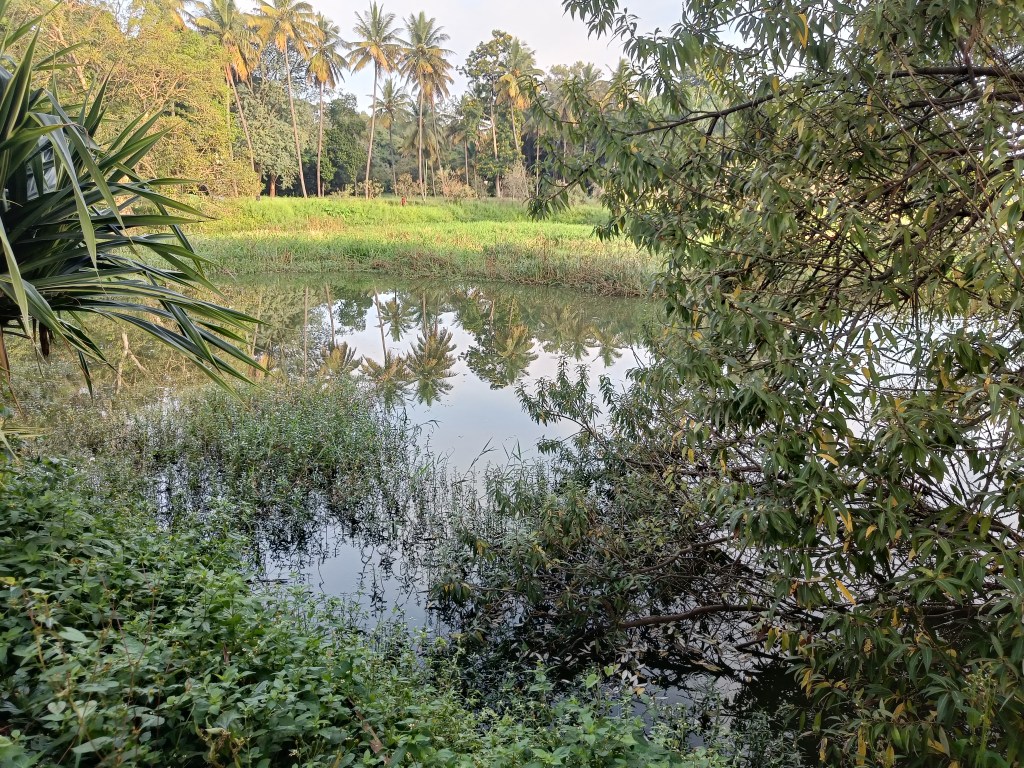
This one began with Annie, Vee, and me taking a morning walk through Lalbagh. The Bangalore air had that familiar softness to it, the kind that makes everything feel possible. The trees stood tall — majestic, ancient — silent witnesses to countless mornings like this one. They had seen generations pass, lovers meet, walkers reflect, runners chase time.

We found ourselves stopping to hug them — maybe to hear their heartbeat, maybe just to borrow a little of their serenity. There’s something grounding about touching something that has stood in the same place for decades, unmoved by the rush of the world.

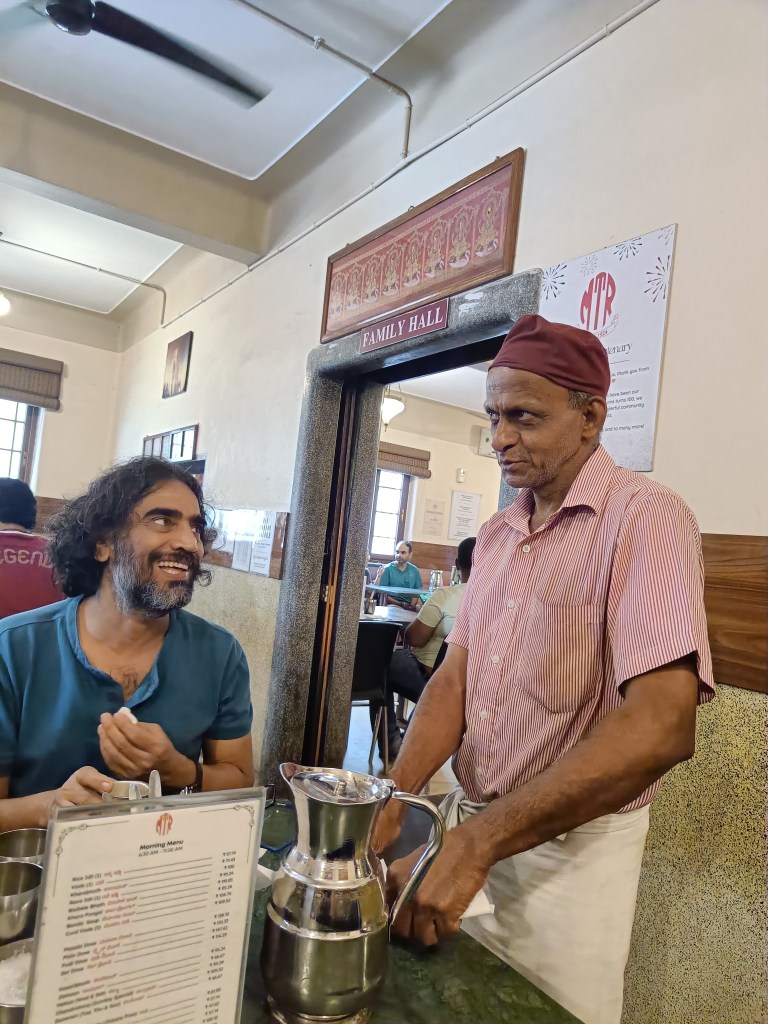
From there, we wandered to the iconic MTR near Lalbagh for breakfast — a place that feels less like a restaurant and more like a living memory. Established in 1924, MTR has watched the country transform through independence, world wars, and changing eras.

Our server that morning told us he had been working there for thirty-six years. Thirty-six years in the same place — carrying forward a legacy with quiet pride. His sense of belonging felt different from the restlessness of our gig-driven world. He wasn’t there just for a paycheck; he was part of something enduring.

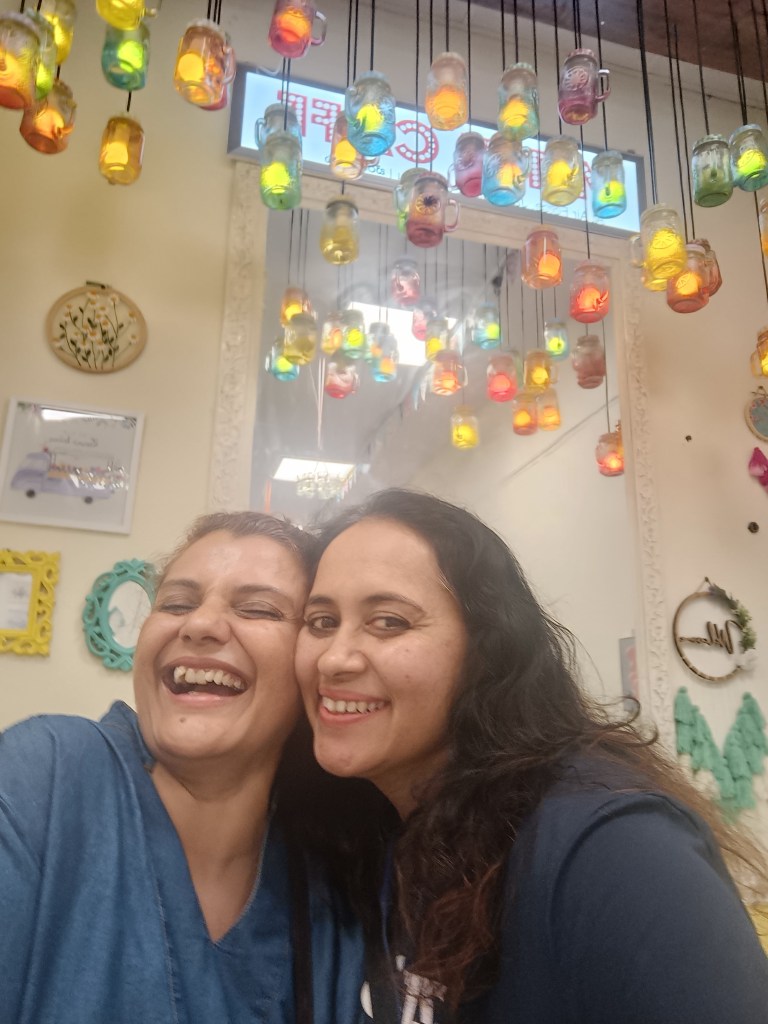
After breakfast, we took the metro to Mitti Café. The moment we stepped inside, the space embraced us — warm, alive, and full of heart. The café is run by people with special needs, and what strikes you instantly is their energy. Every person there worked with such sincerity, joy, and care — no pretense, no performance. No one needed to be “managed” or “motivated.” They were simply giving their best, with a quiet, steady happiness that felt rare and contagious.

We stayed for hours without realizing how time slipped by. The space had that kind of energy — gentle yet deeply moving. Our conversation drifted toward inclusivity — what it really means beyond the buzzword.

At its core, inclusivity is not just about inviting someone to the table. It’s about recognizing that the table was never meant to belong to a few. It begins with the belief that we are all equal — not in ability or circumstance, but in essence, in worth.

Yet, from the time we are young, society teaches us separation. We are conditioned to see hierarchy everywhere — of class, color, ability, gender, intellect, privilege. We grow up learning to categorize, to sort, to measure. Somewhere along the way, this quiet conditioning starts to shape how we value ourselves and others.

And once hierarchy takes root, it becomes the silent blueprint for inequality. It’s what allows someone to dismiss a voice, overlook a person, or decide who deserves empathy and who doesn’t. It’s why “inclusivity” so often becomes a slogan — spoken loudly but felt shallowly — because the deeper belief in equality is missing.

And maybe that’s where the real divide begins.

The same hierarchical mindset feeds so many of our collective struggles — from anti-immigration sentiment to patriarchy, from gender inequality to caste and racial intolerance.

True inclusivity is not performative. It doesn’t require a diversity statement or an awareness month to come alive. It shows up in how you treat someone who serves you food, in how you listen to someone who thinks differently, in how you choose to look into someone’s eyes instead of down or up at them.

It’s about dissolving the invisible hierarchies that live in our daily interactions — the small assumptions, the subtle dismissals, the unconscious ranking of people based on what they have, what they can do, or what they look like.

And maybe that’s where the real work lies. Not in policies or pledges, but in a shift of perception — in seeing sameness where we’ve been taught to see difference.

As we left Mitti Café that day, I kept thinking of the trees at Lalbagh. How they stand side by side — different shapes, sizes, and shades — but rooted in the same earth. Watching quietly. Holding space for everyone.

Maybe inclusivity, in its truest form, is just that — standing tall together, without needing to look up or down, simply being alongside one another. Rooted, equal, and enough.