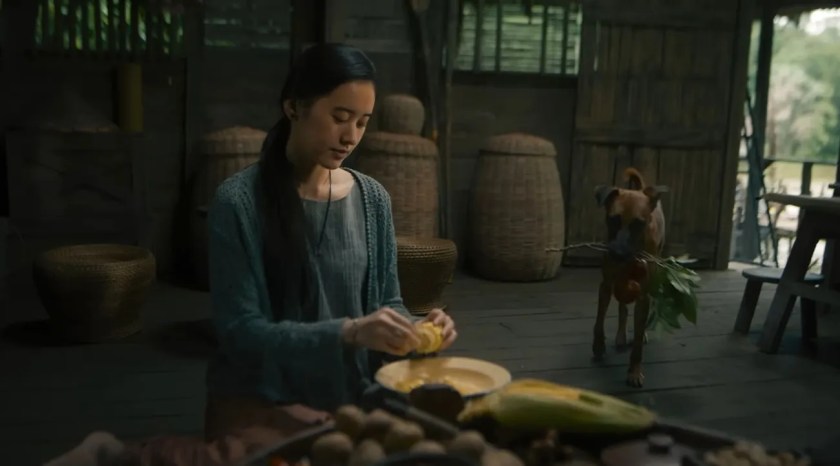
I recently watched the movie Eko. On the surface, it’s a fictional tale set amidst the untamed, wild hills bordering Kerala and Karnataka, revolving around a set of highly trained dogs – their loyality and how they can have only one master. But like all great storytelling, the wilderness is just a backdrop for a much deeper human examination.
The entire film hinges on a single, devastating dialogue that has stayed with me long after the credits rolled:
“Sometimes, protection and restriction look the same.”
While the movie applies this to its narrative context, this core theme reflects a harsh, uncomfortable truth about our society, our history, and even the way we love. It forces us to ask: At what point does a sheltering hand become a stifling grip?
The Historical Echo of “Safety”
If we look back in time at the lives of our mothers, grandmothers, and their mothers before them, we see this dynamic played out on a grand scale.
Generations of women were undoubtedly “protected.” Yet, this protection often came at a heavy price: restriction. They were restricted from thinking autonomously, restricted from voicing their true feelings, and restricted from pursuing dreams—all often under the heavy banner of “Family Honour.” They were safe, yes, but were they free?
It’s a complex argument. Don’t women want to be protected? Of course. Everyone desires safety. But if we step aside from gender politics and look at types of energy, we see the trade-off. The “feminine” energy—the nurturer, the healer, the carer within all of us—needs a sense of safety to thrive in abundance. Perhaps our ancestors intended for the masculine to hunt and protect so the feminine could nurture.
But that ancient equation became corrupted. The protection started coming with fine print: domination, power dynamics, and control.
The Superwoman Response
Today, we see a reaction to that historical restriction. The women of today often attempt the “superwoman phenomenon”—trying to do it all, embodying both the provider and the nurturer.
They might be exhausted, stretched thin, and overwhelmed, but many prefer this exhaustion over the suffocating restrictions their previous generations endured. They would rather burn out in freedom than rust out in a cage disguised as safety.
The Fine Line: Love vs. Fear
This brings us to the crucial question: Are protection and restriction merely two sides of the same coin? Or can protection exist as a pure act of trust, creating a space where the nurtured can grow leaps and bounds?
The answer lies in the intention. It is the incredibly fine line between Care and Control.
Often, control is disguised as care. As parents, partners, or friends, we might do this unconsciously, simply repeating patterns of how we were raised. But there is a fundamental litmus test to distinguish the two:
- The Source of Care is Love.
- The Source of Control is Fear.
That is the vital difference.
If a mother still micromanages a married, middle-aged son or daughter in the name of “care,” it is likely not care at all. It is her own fear—fear of irrelevance, fear of the empty nest, fear of their failure—masquerading as love. Both parties might be totally unaware of this dynamics.
We see this on a macro level, too. Societally, people often support authoritarian leaders or dictators in the desperate hope of “protection,” only to realize too late that they have been restricted from freedom of expression and basic rights all along.
The Power of Unanswered Questions
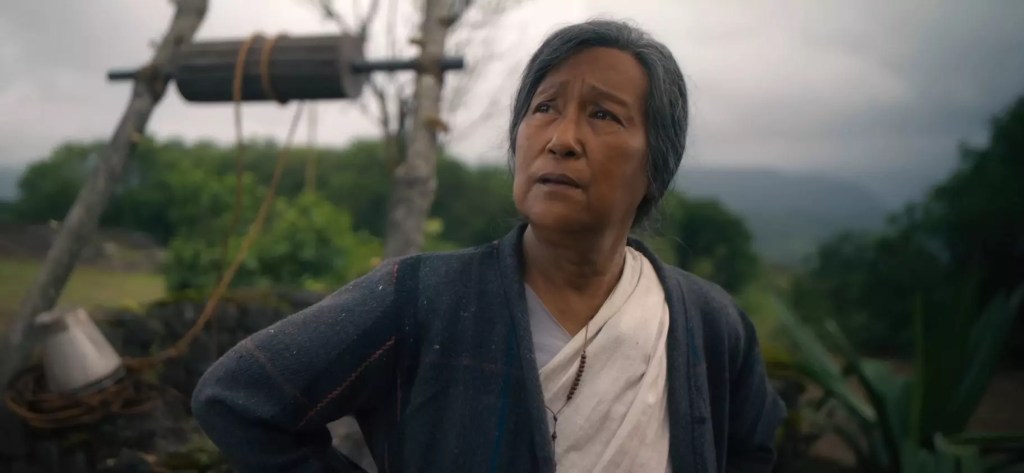
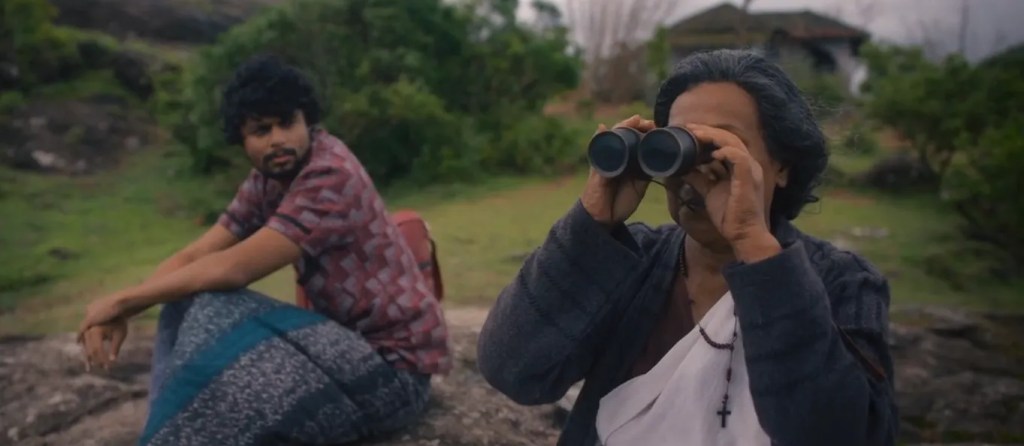
The plot of the movie may have revolved around finding the character Kuriachan, but for me, the emotional essence of Eko lay in the eyes of Soya (Mlaathi Chedathi), Kuriachan’s wife. Her silent gaze seemed to hold the weight of this very paradox.
A movie has done its job when it forces you to question your own assumptions and not trying to give you the answers. Eko succeeds brilliantly here. It leaves us looking in the mirror and introspect.


 The Soul Compass