
Some days just unfold on their own — unplanned, unhurried, yet filled with moments that stay with you long after they end.
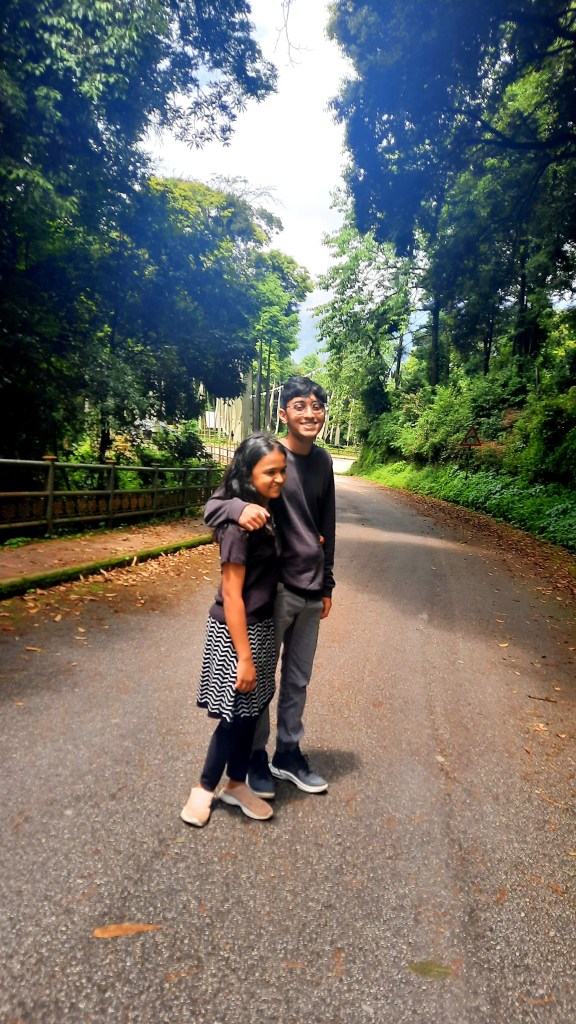
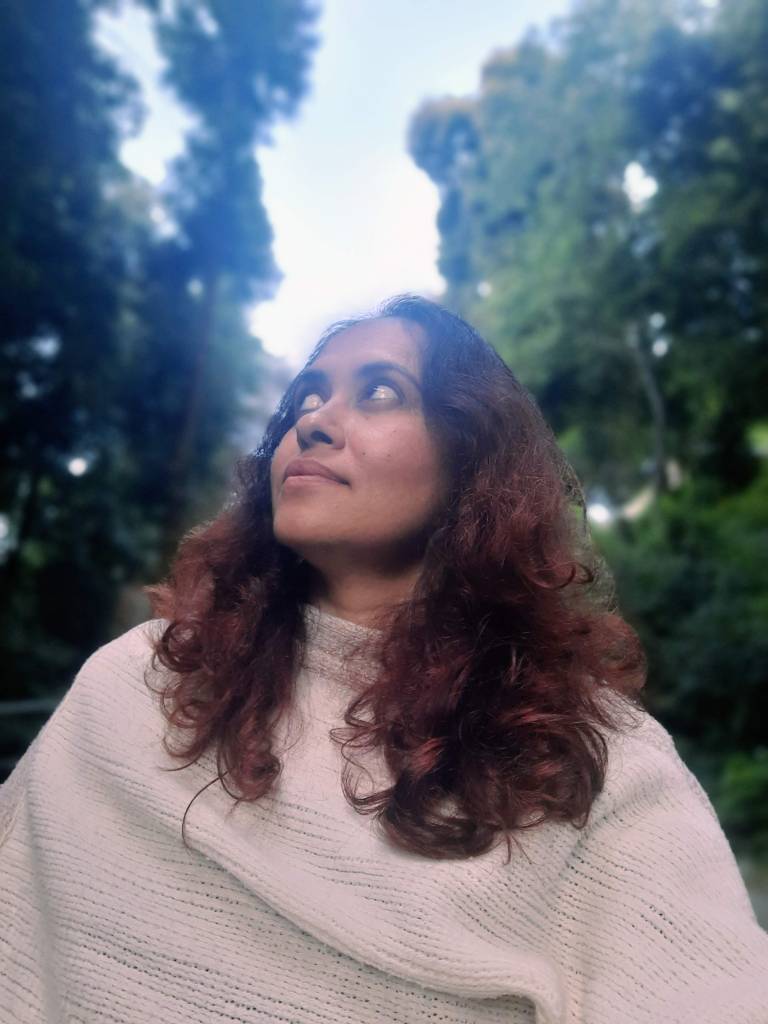
This one began with Annie, Vee, and me taking a morning walk through Lalbagh. The Bangalore air had that familiar softness to it, the kind that makes everything feel possible. The trees stood tall — majestic, ancient — silent witnesses to countless mornings like this one. They had seen generations pass, lovers meet, walkers reflect, runners chase time.
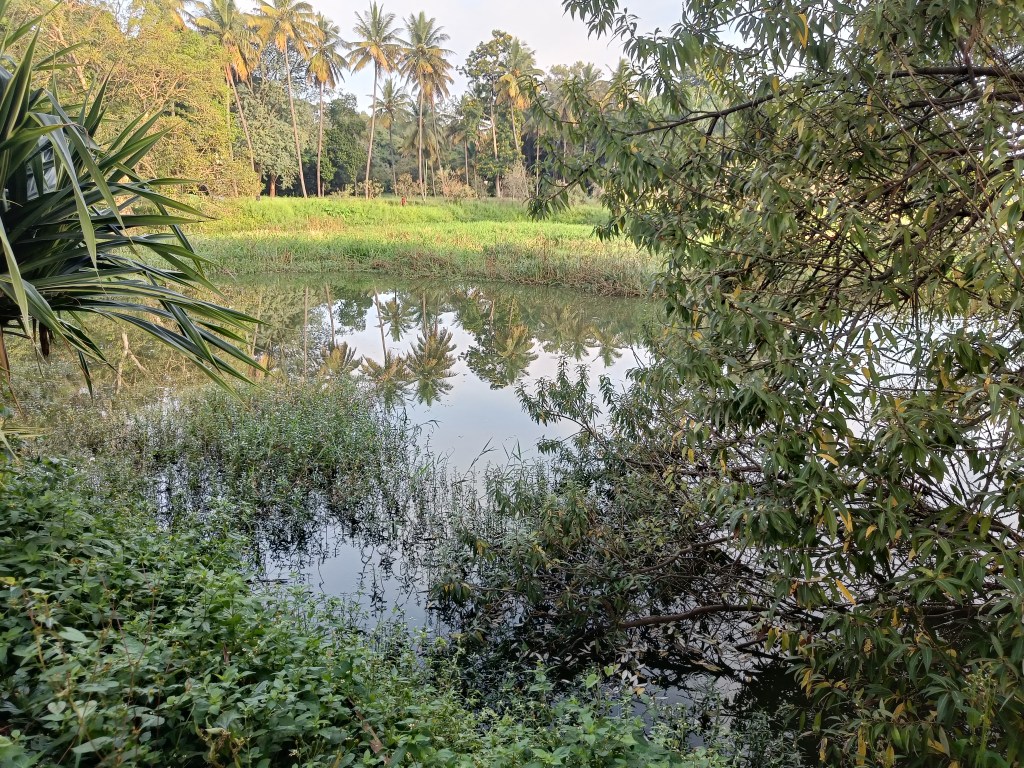
We found ourselves stopping to hug them — maybe to hear their heartbeat, maybe just to borrow a little of their serenity. There’s something grounding about touching something that has stood in the same place for decades, unmoved by the rush of the world.
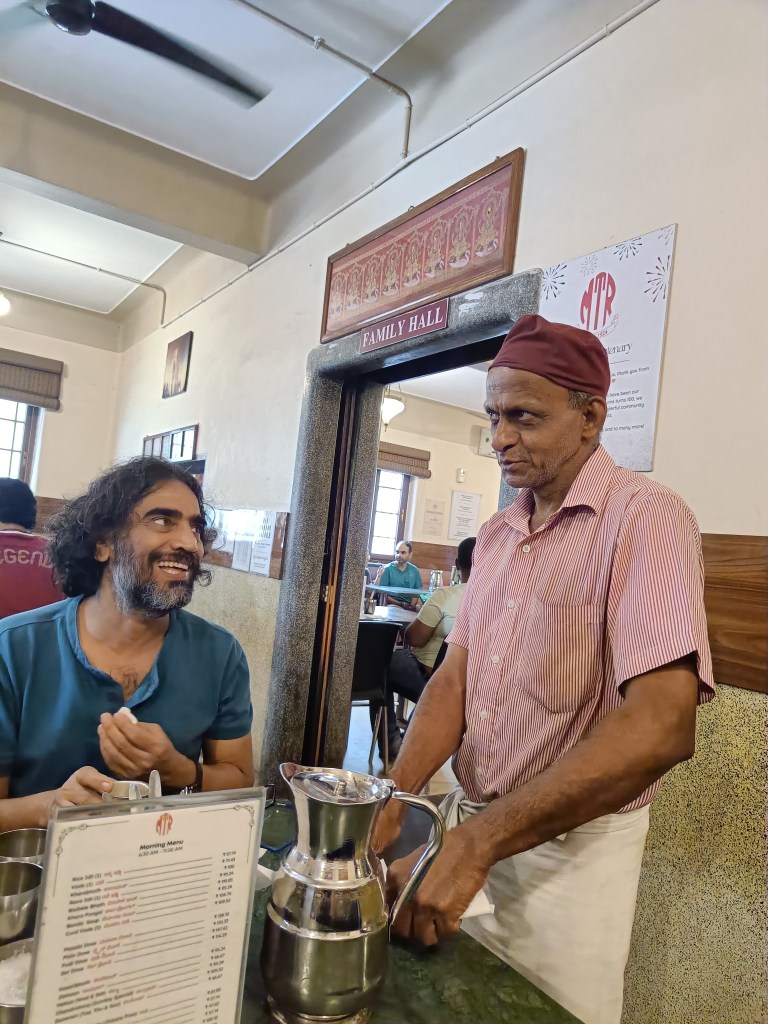
From there, we wandered to the iconic MTR near Lalbagh for breakfast — a place that feels less like a restaurant and more like a living memory. Established in 1924, MTR has watched the country transform through independence, world wars, and changing eras.
Our server that morning told us he had been working there for thirty-six years. Thirty-six years in the same place — carrying forward a legacy with quiet pride. His sense of belonging felt different from the restlessness of our gig-driven world. He wasn’t there just for a paycheck; he was part of something enduring.
After breakfast, we took the metro to Mitti Café. The moment we stepped inside, the space embraced us — warm, alive, and full of heart. The café is run by people with special needs, and what strikes you instantly is their energy. Every person there worked with such sincerity, joy, and care — no pretense, no performance. No one needed to be “managed” or “motivated.” They were simply giving their best, with a quiet, steady happiness that felt rare and contagious.
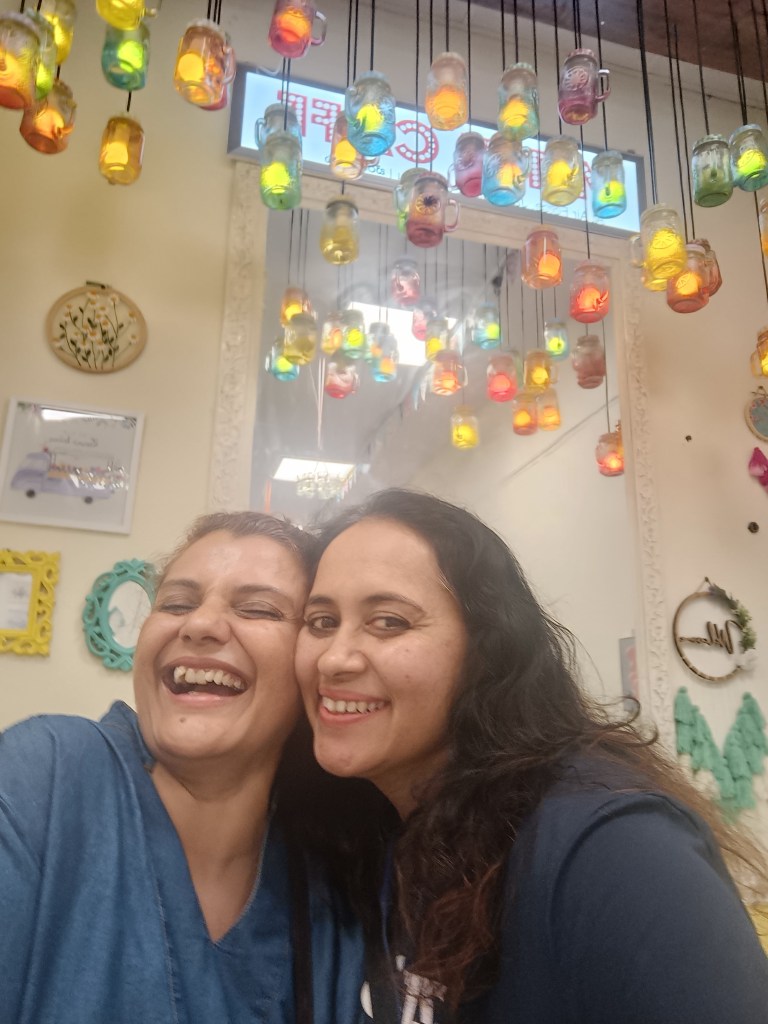
We stayed for hours without realizing how time slipped by. The space had that kind of energy — gentle yet deeply moving. Our conversation drifted toward inclusivity — what it really means beyond the buzzword.
At its core, inclusivity is not just about inviting someone to the table. It’s about recognizing that the table was never meant to belong to a few. It begins with the belief that we are all equal — not in ability or circumstance, but in essence, in worth.
Yet, from the time we are young, society teaches us separation. We are conditioned to see hierarchy everywhere — of class, color, ability, gender, intellect, privilege. We grow up learning to categorize, to sort, to measure. Somewhere along the way, this quiet conditioning starts to shape how we value ourselves and others.
And once hierarchy takes root, it becomes the silent blueprint for inequality. It’s what allows someone to dismiss a voice, overlook a person, or decide who deserves empathy and who doesn’t. It’s why “inclusivity” so often becomes a slogan — spoken loudly but felt shallowly — because the deeper belief in equality is missing.
And maybe that’s where the real divide begins.
The same hierarchical mindset feeds so many of our collective struggles — from anti-immigration sentiment to patriarchy, from gender inequality to caste and racial intolerance.
True inclusivity is not performative. It doesn’t require a diversity statement or an awareness month to come alive. It shows up in how you treat someone who serves you food, in how you listen to someone who thinks differently, in how you choose to look into someone’s eyes instead of down or up at them.
It’s about dissolving the invisible hierarchies that live in our daily interactions — the small assumptions, the subtle dismissals, the unconscious ranking of people based on what they have, what they can do, or what they look like.
And maybe that’s where the real work lies. Not in policies or pledges, but in a shift of perception — in seeing sameness where we’ve been taught to see difference.
As we left Mitti Café that day, I kept thinking of the trees at Lalbagh. How they stand side by side — different shapes, sizes, and shades — but rooted in the same earth. Watching quietly. Holding space for everyone.
Maybe inclusivity, in its truest form, is just that — standing tall together, without needing to look up or down, simply being alongside one another. Rooted, equal, and enough.

 The Soul Compass