The war feed on my social media is relentless and chaotic. Can I do anything about it except to say a silent prayer, check on my friends who are impacted and get back to my work—creating, building, and evaluating AI agents and designing agentic flows.
But as I watch these agents “reason” through their tasks, it makes me pause. I find myself reflecting not just on technology, but on the architecture of the human heart. How is it that we find it bearable to witness a school struck and children lost in one corner of the map and simply move on, yet a school shooting in another country triggers a tidal wave of collective agony? Aren’t they both the same shade of grief? Is one child’s life ever a lesser “datapoint” than another’s?
I suspect the answer lies in a failure of the very thing I struggle to perfect my AI agents: Context. In the world of AI, context is the crux of intelligence. For an agent to function, it must retrieve the right signal at the right time. It must synthesize meaning, store what matters, and ruthlessly prune the noise.
As I look at our fractured world, I realize that we humans are not so different. Our compassion, our outrage, and our silences are all outputs of the context we carry—the cultural geography of our birth, the whispers of our parents, the books on our shelves, and the perceived borders of our “community.”
When our context is narrow, our empathy becomes selective. We “prune” the suffering of those who fall outside our immediate data set.
But are humans simply context-processing machines? Probably not. Because there is one profound difference: AI learns from data. Humans are shaped by lived experience which are uniqely ours. If I look back at my own life, I can see how context resets have happened in my own life.
The Early Context Resets
I was born into a close-knit Catholic Christian community in Kerala. It is a community rich in tradition where belonging carries deep cultural meaning. To be honest, it is also quite conservative, endogamy is still practiced and often worn with pride.
Had I grown up entirely within that environment, surrounded only by people from the same community, my worldview might have been very different.
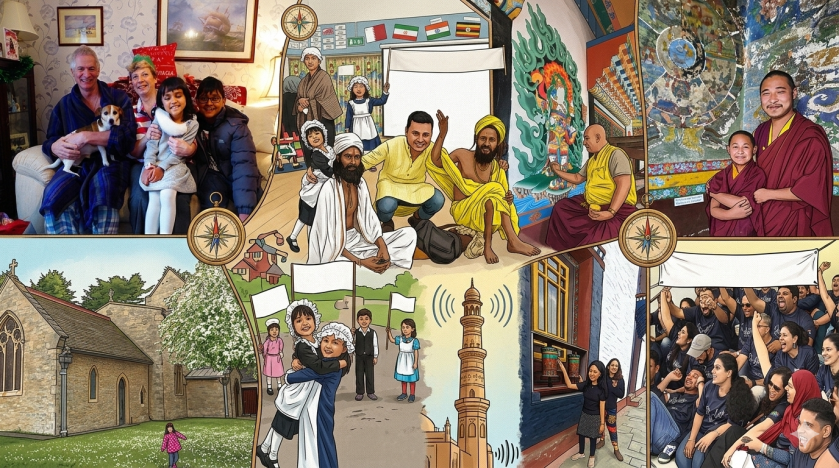
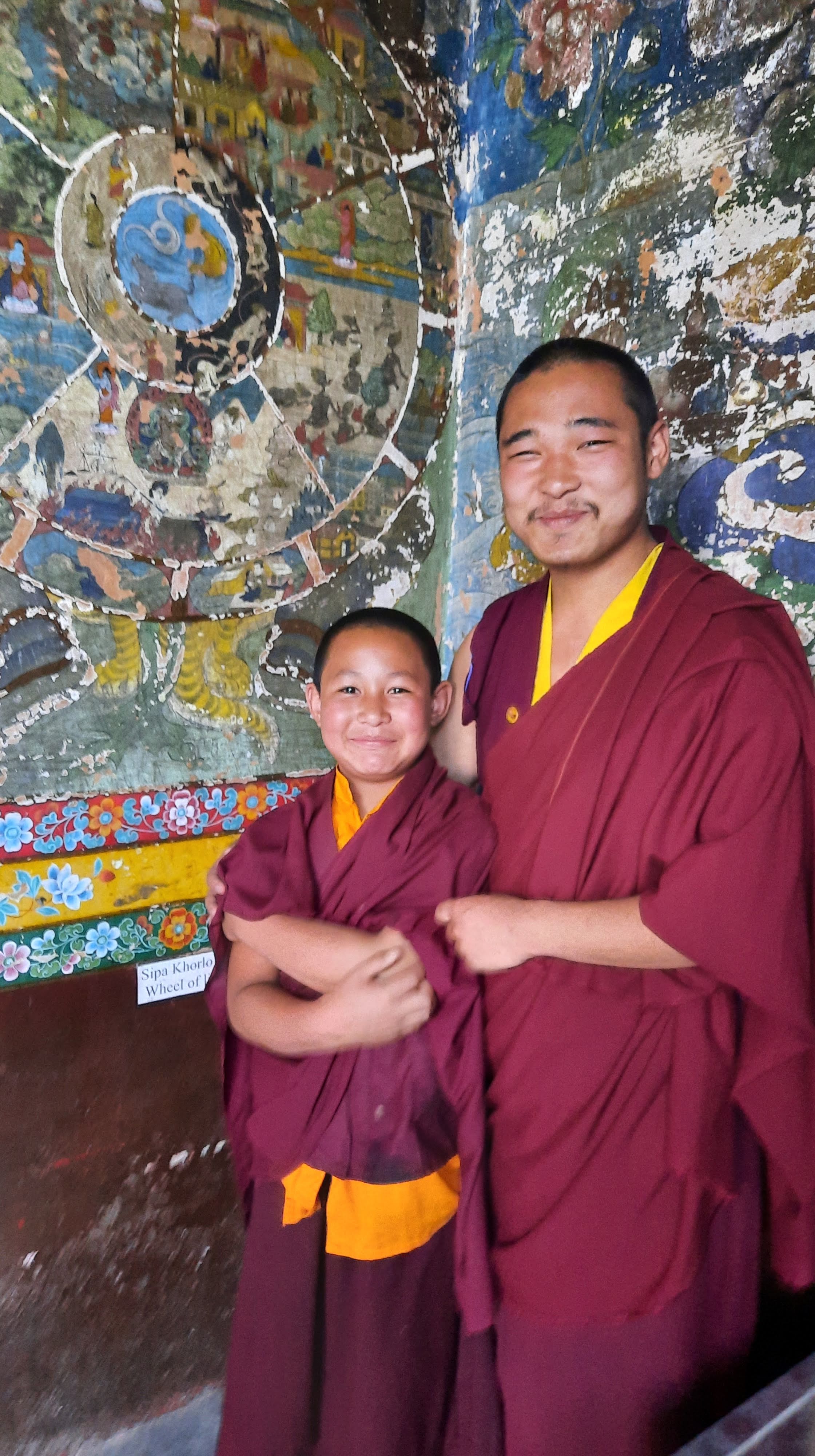
But thankfully the universe had other plans for me. My father served in the Armed Force, and that meant our family moved frequently across India. We lived in military campuses that felt like miniature versions of the country itself. Families from every part of India lived side by side: different languages, different religions, different cultures. As children, we celebrated Christmas with the same excitement as Diwali. We understood that some of our friends were vegetarian while others had different food traditions and restrictions. These differences were not questioned or judged. We would just know as we exchanged our lunch boxes.
Diversity wasn’t something we debated. It was something we lived.
One memory from those years still stays with me. Every morning during school assembly we sang a prayer that even today I find myself humming:
Tu hi Ram hai, tu Rahim hai,Tu Karim, Krishna, Khuda hai. Tu hi Wahe Guru, tu Isa Masih, Har naam mein tu sama raha.
(You are Ram., you are Rahim, you are Krishna., you are Allah. You are Waheguru, you are Jesus., you are present in every name.)
Without realizing it, those words quietly shaped my understanding of humanity.
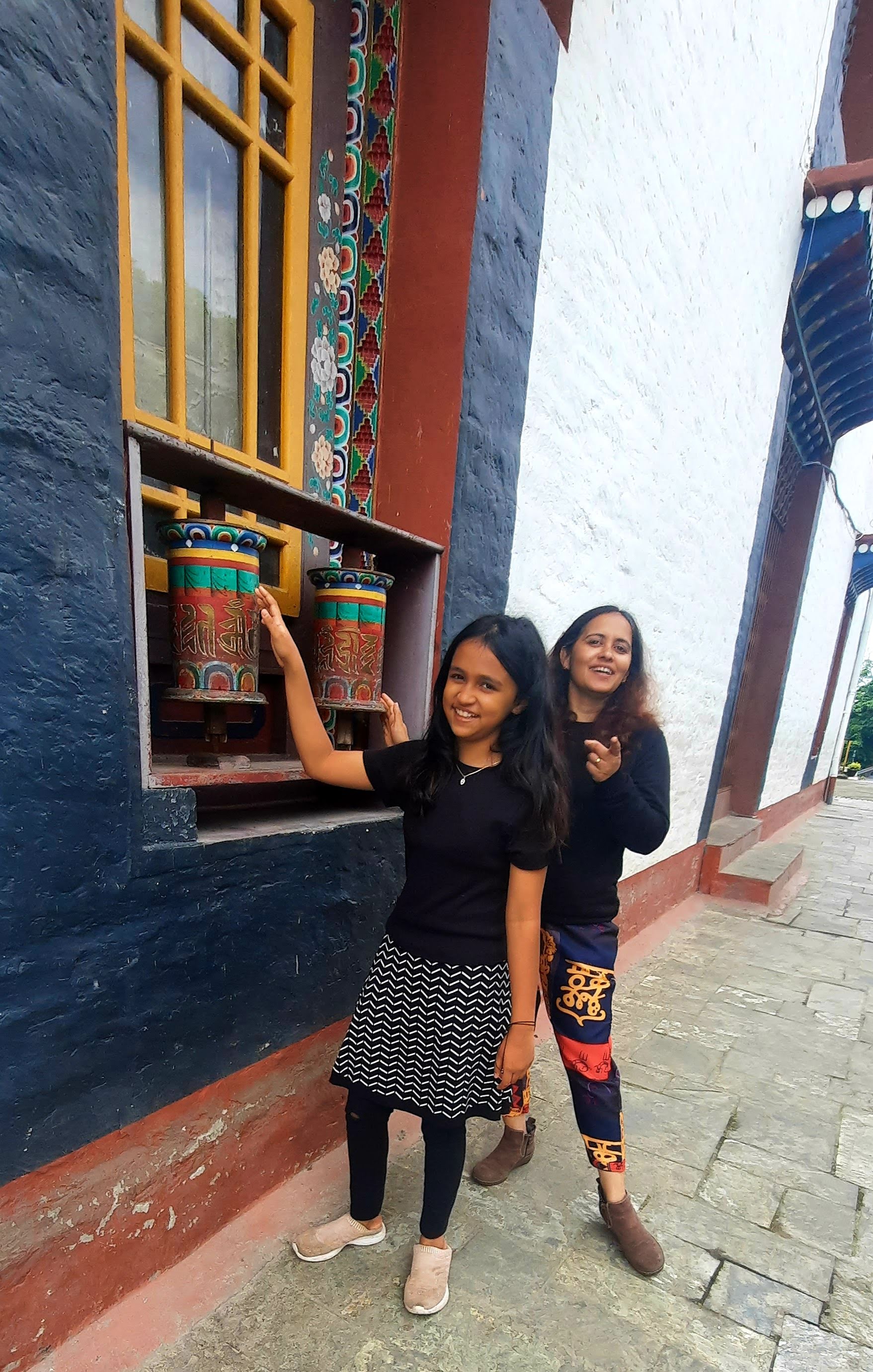
Growing up in the North East for some time, in Shillong, added yet another dimension to my context. The Khasi community there follows a matriarchal system, where lineage and inheritance pass through women. Witnessing that culture made me realize how different social structures can be and how ideas of gender roles are often shaped entirely by cultural context. It was a glimpse into what gender equality could look like in a society, very different from the more patriarchal structures seen across much of India.
Even as a child, these experiences were slowly expanding my internal map of the world.
From the solace of Azaan to the free spirited American Midwest
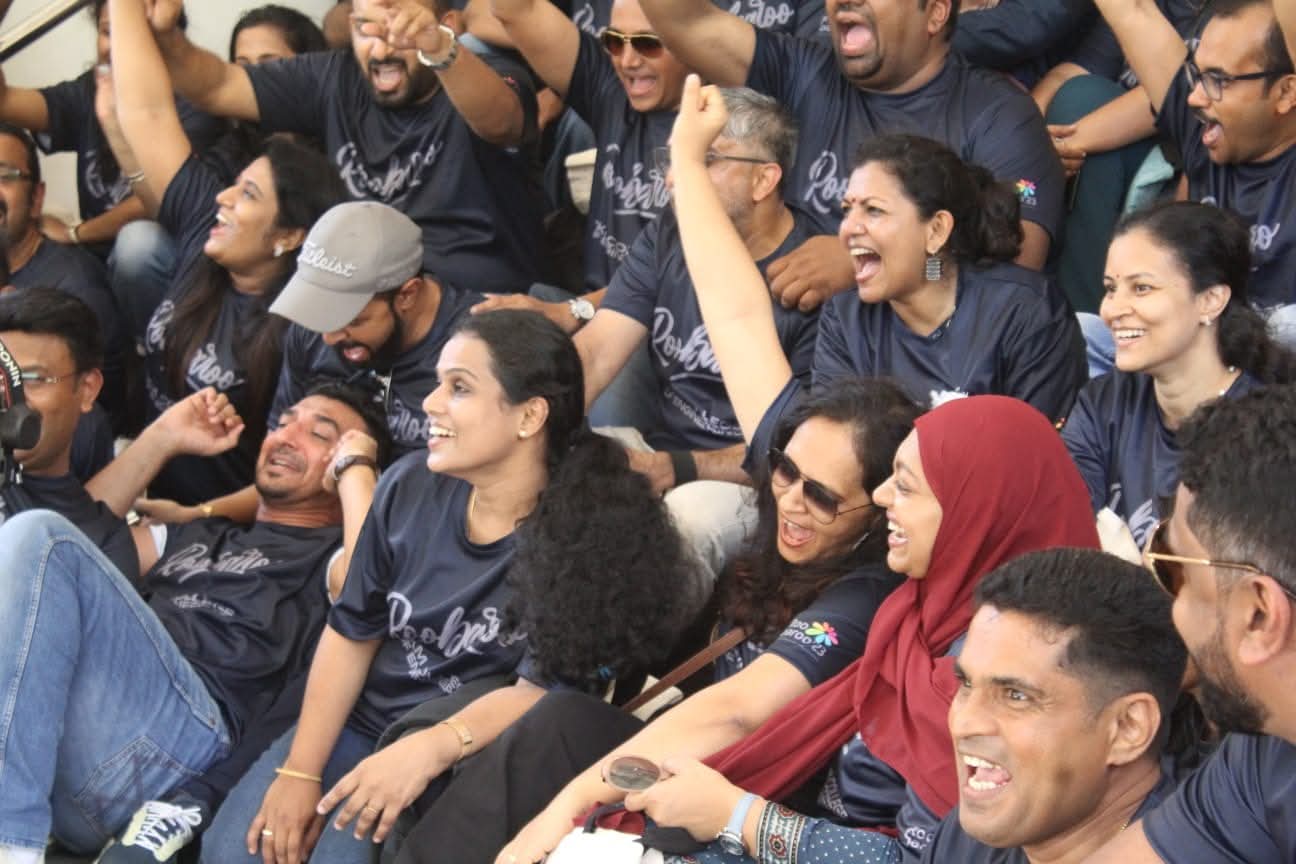
As I grew older, life continued to broaden my perspective. I spent four years studying engineering at one of the top colleges in Kerala, an institution founded by a Muslim visionary. During those years I had the opportunity to live closely with Muslim friends.
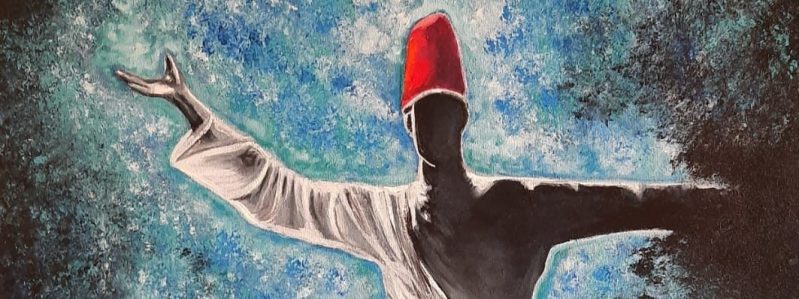
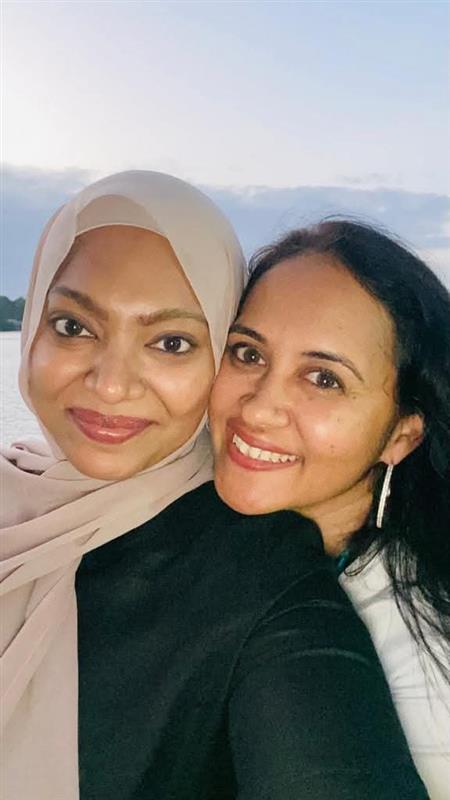
The sound of the Azaan, the call to prayer, would rise through the air five times a day. What once felt unfamiliar gradually became something deeply moving—a reminder to pause and look inward.I watched friends observe the discipline of Ramadan fasting. I saw the quiet grace of friends wearing the hijab. Behind symbols that the outside world often misunderstands, I encountered kindness, resilience, humor, and warmth.
These were not ideas about another community. They were friends who had become part of my life. And once someone becomes part of your story, their humanity becomes impossible to reduce to stereotypes.
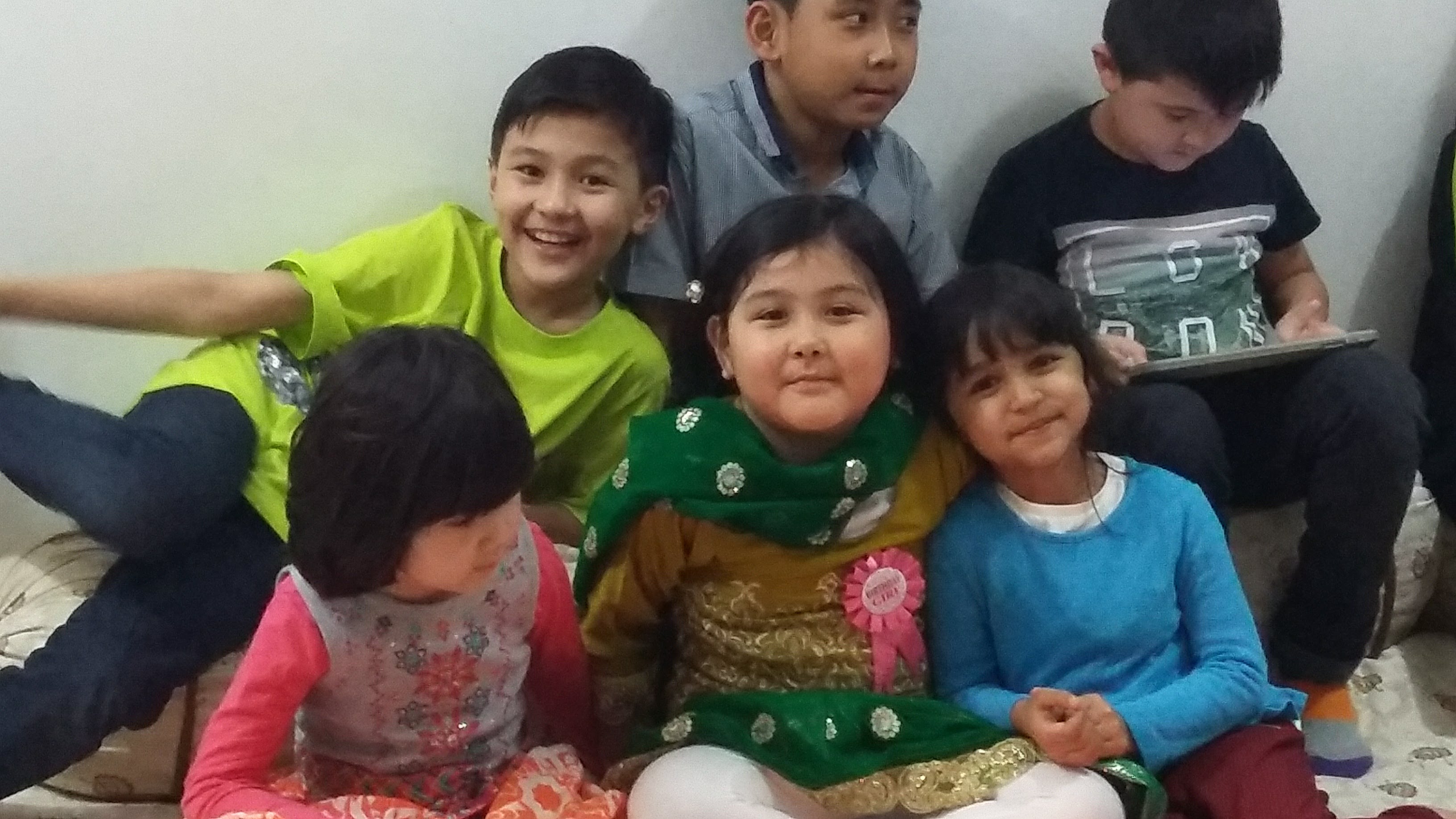
Years later, while living in the United Kingdom, my children formed a deep friendship with a Afghani family.One evening we were invited to dinner at their home.
I still remember the warmth of that evening—the food, the generosity, the effortless hospitality. The smiles were genuine, the welcome sincere.In that moment there were no nationalities, no politics, no headlines. Just people sharing food, love and laughter. Even today, when Afghanistan is spoken about mostly through the language of conflict, my mind goes back to that dinner. It remembers kindness.
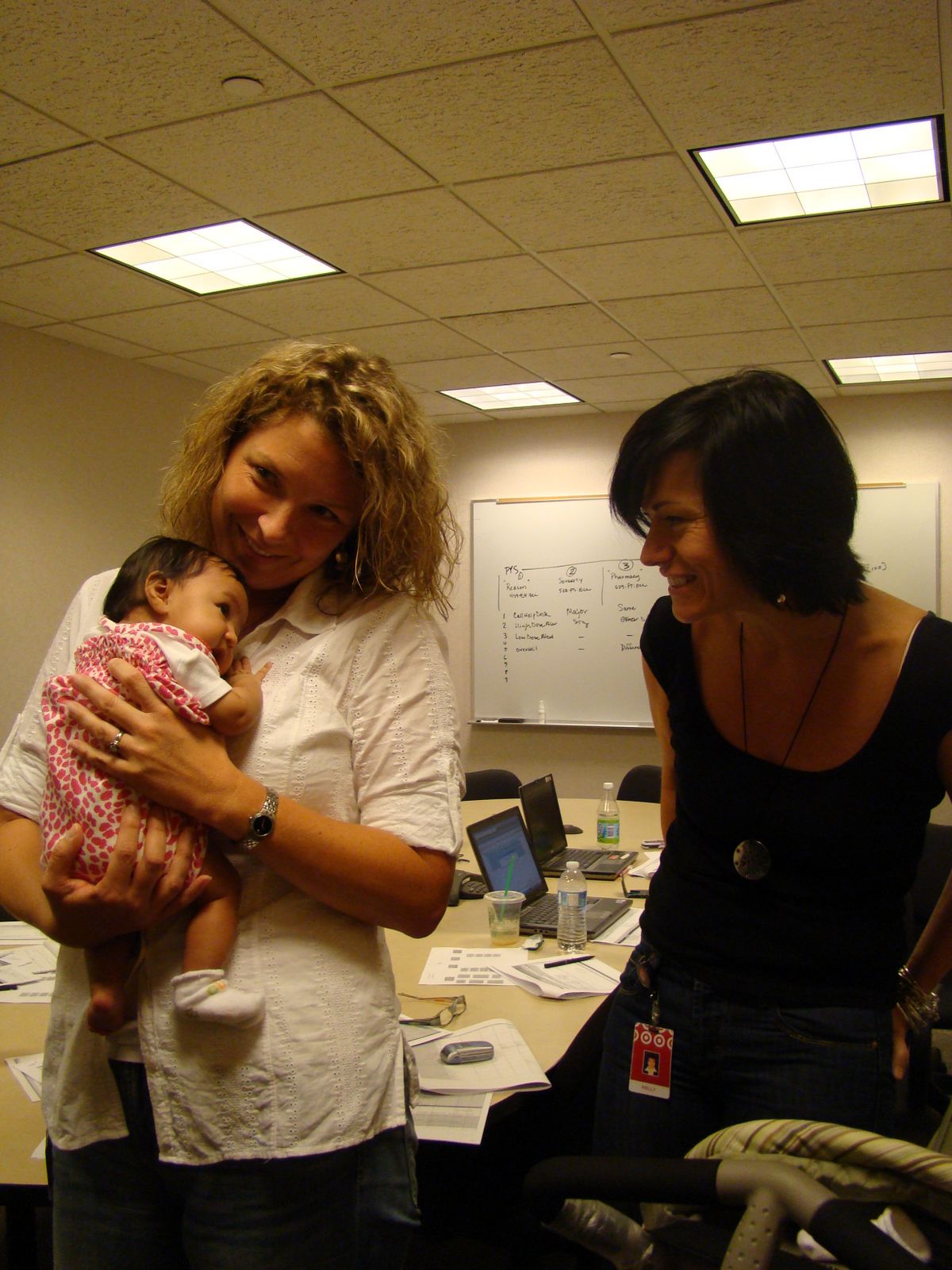
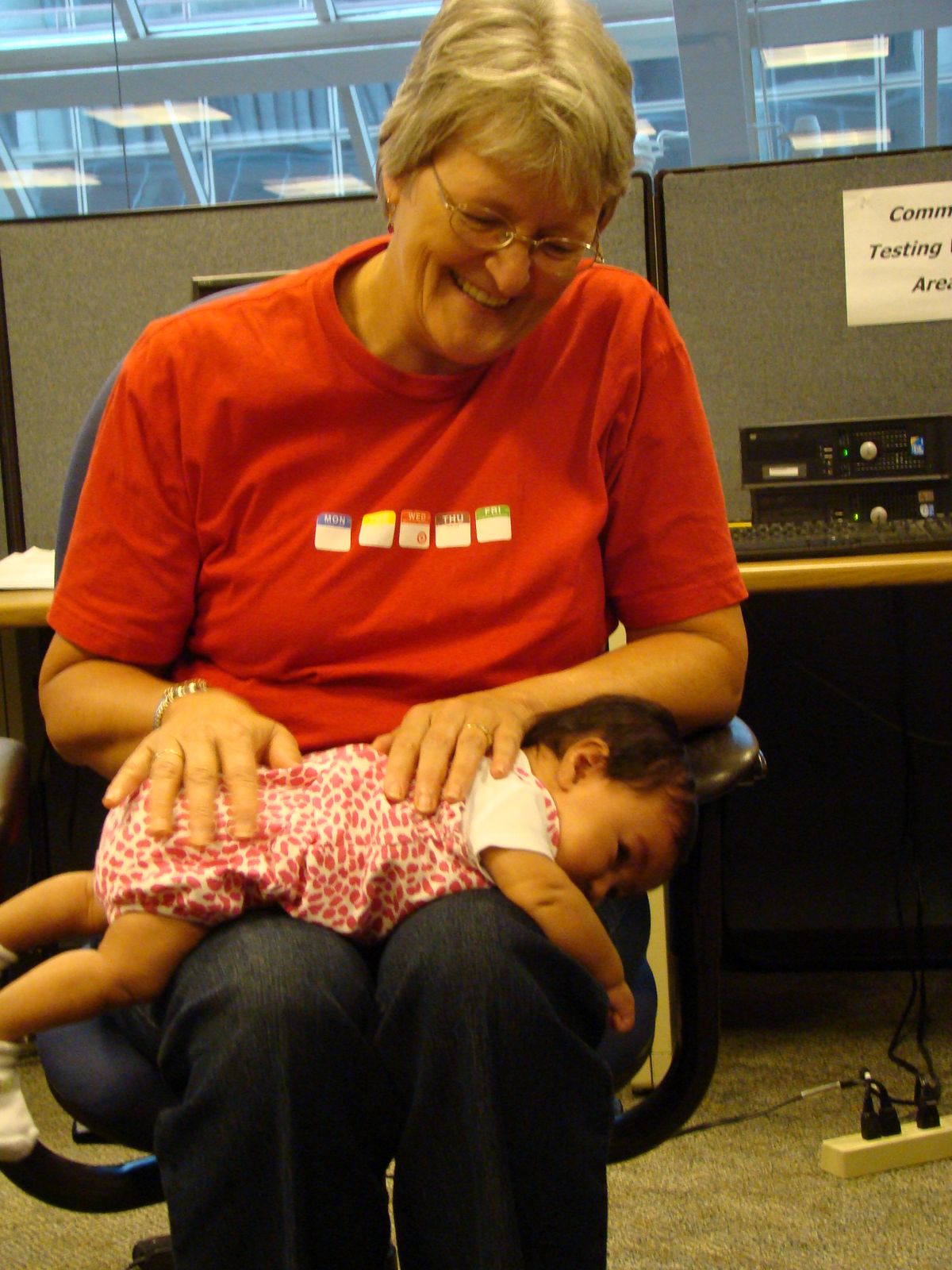
A good portion of my years were lived in the American Midwest, where so many of my fondest memories were made. There, amid brutal cold, I discovered some of the kindest, most generous people. Working with Minnesotans revealed to me the quintessential American spirit: unyielding individuality and a profound commitment to freedom.
Today, when I hear of the ongoing unrest in Minneapolis, my heart breaks, not because of the politics, but because my “memory flow” of that place is indexed under kindness and the beautiful summers!
Overriding the Historical Bias: A British Village
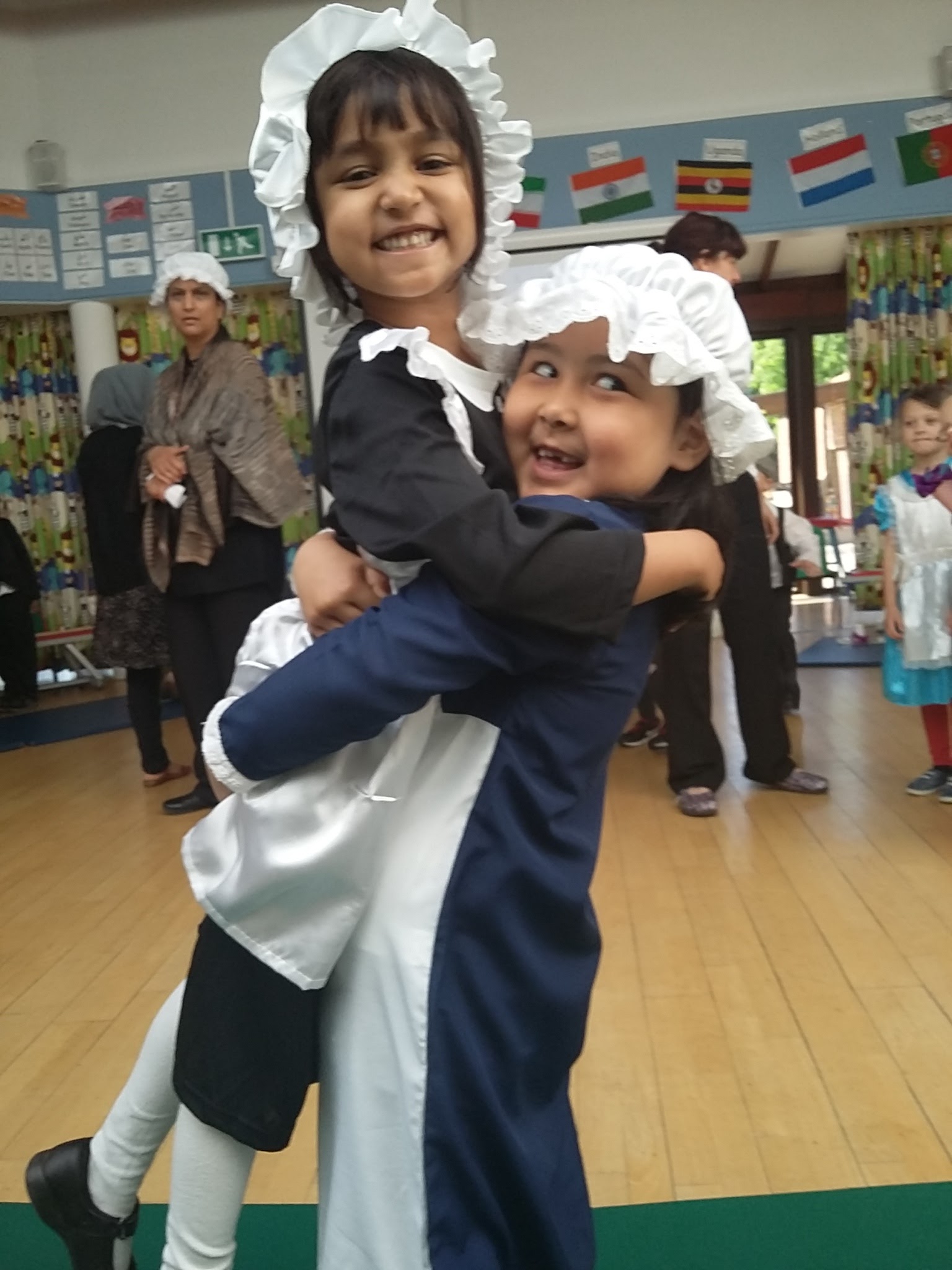
In AI, we struggle with “biases” inherited from historical data. My own inherited bias was toward the British, colored by the shadow of colonial rule which was part of my history lessons. Yet, life eventually placed us in a vintage British village, the only brown family in a community of white senior citizens.
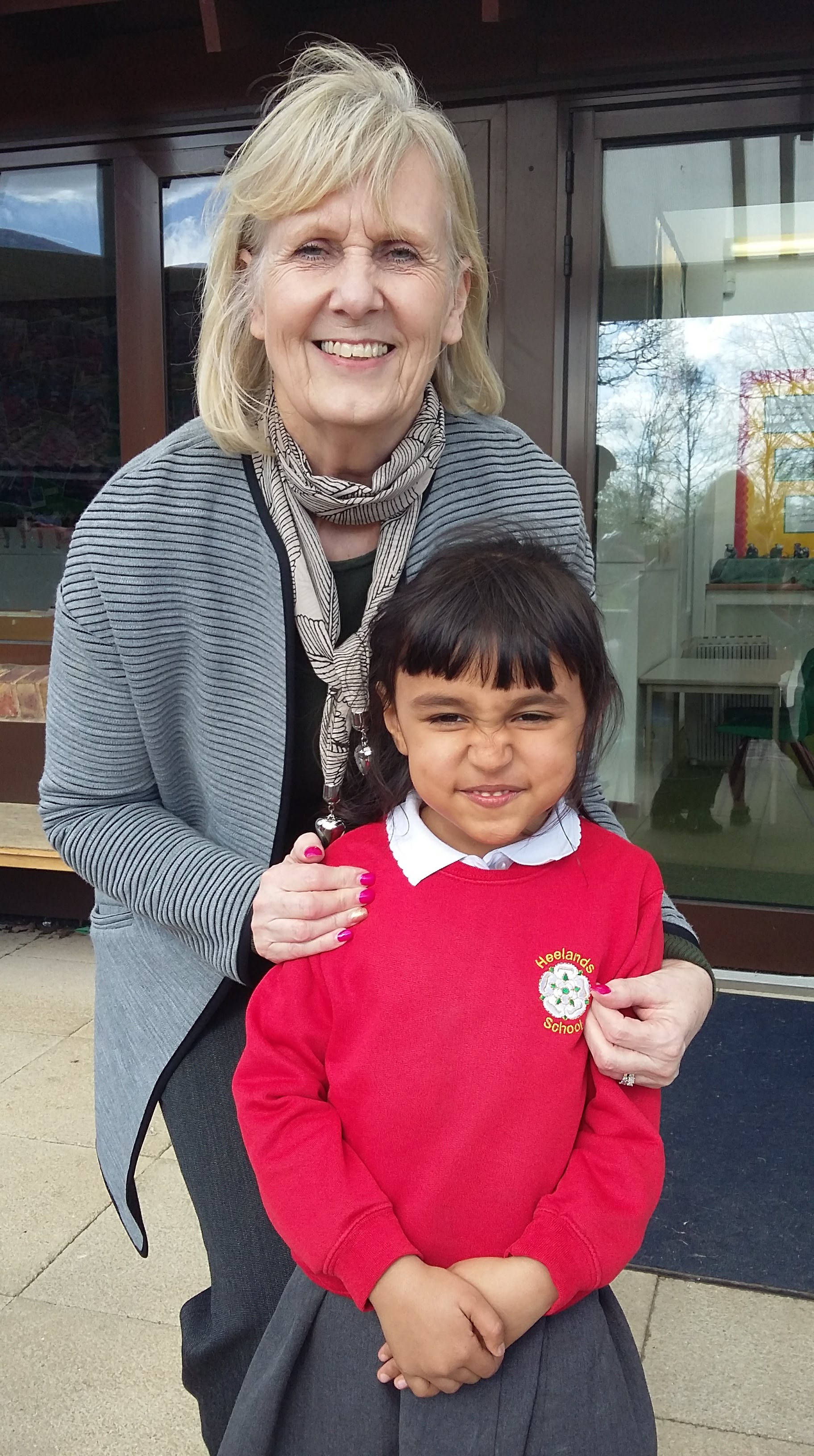
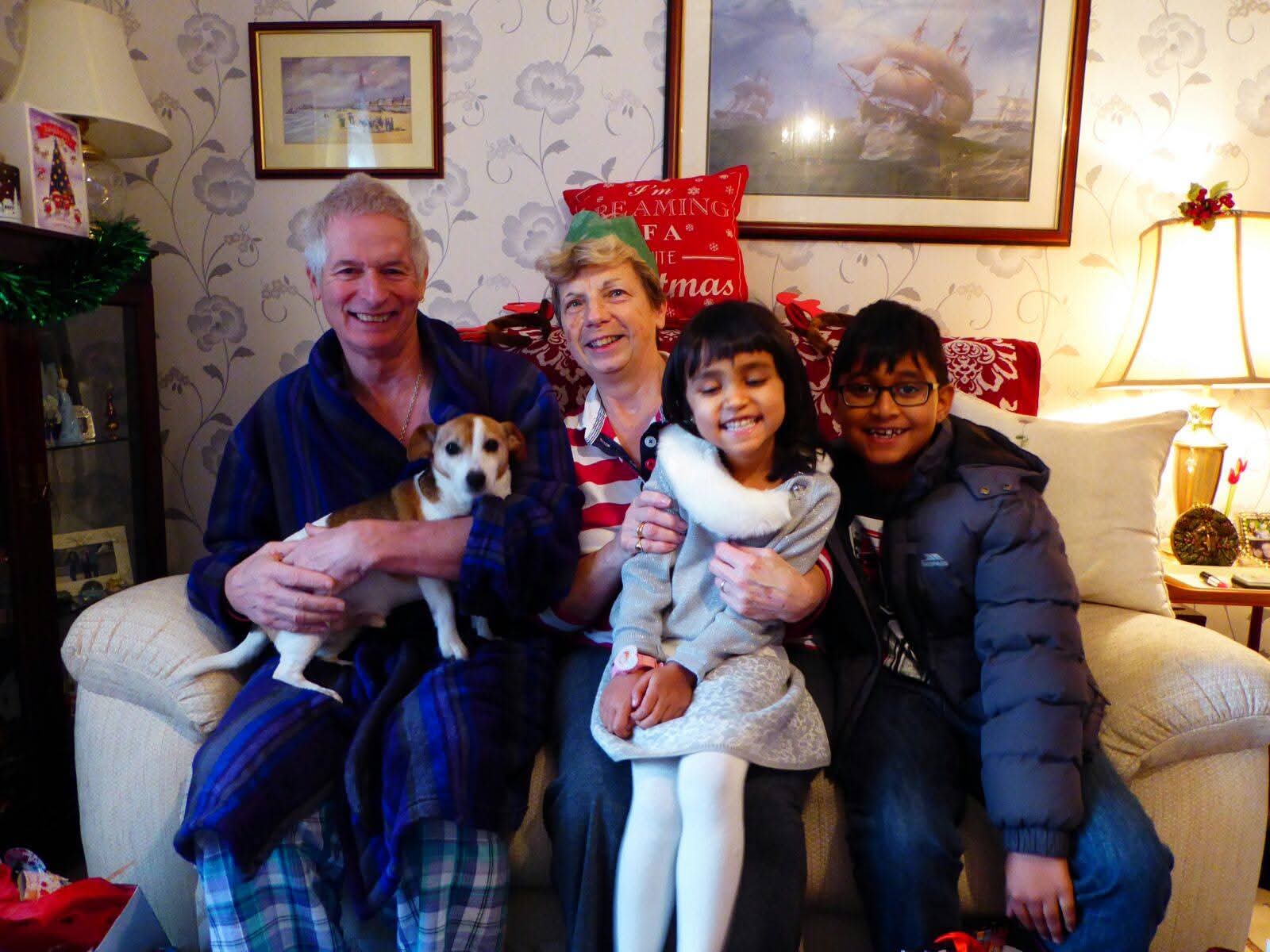
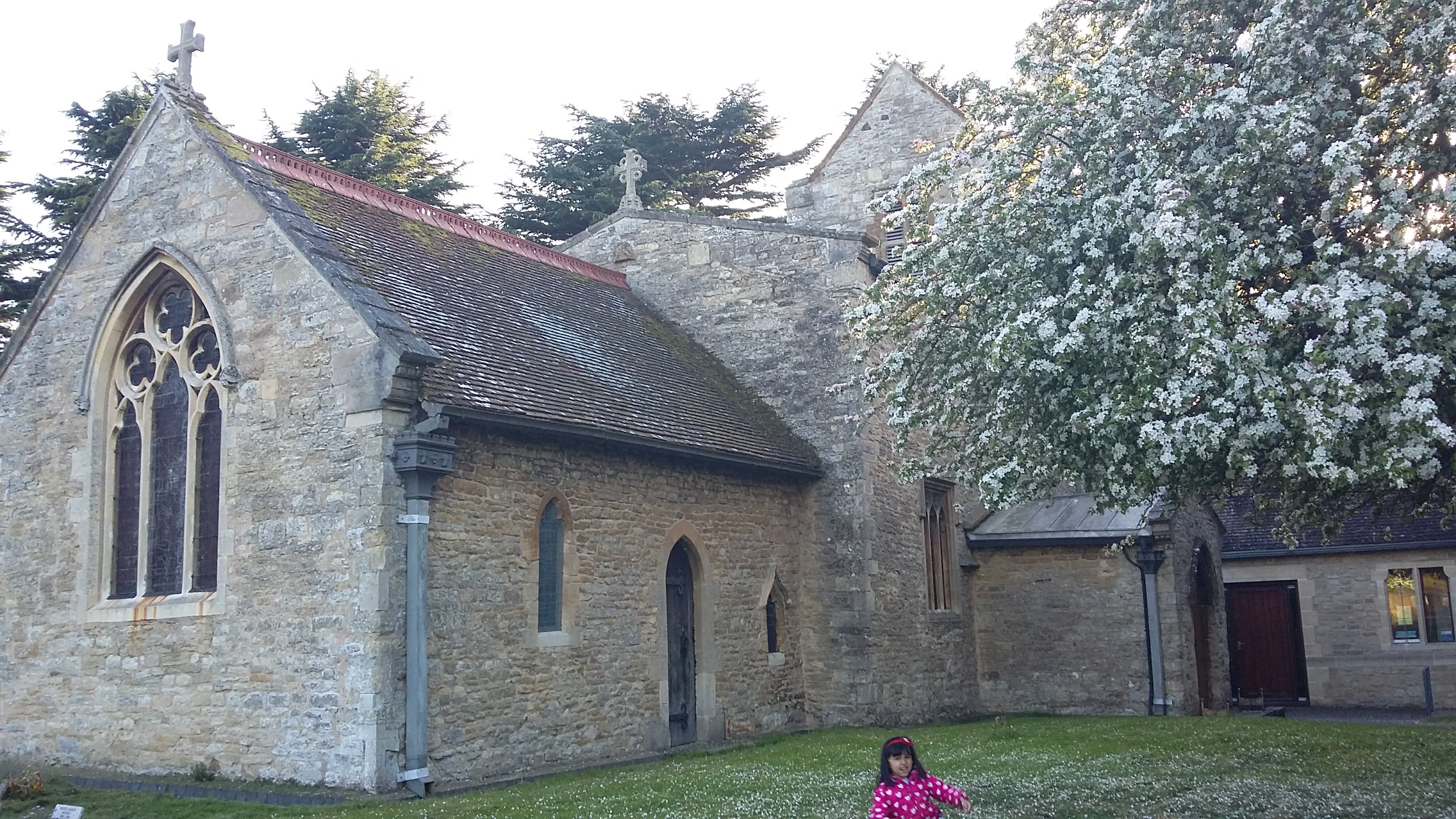
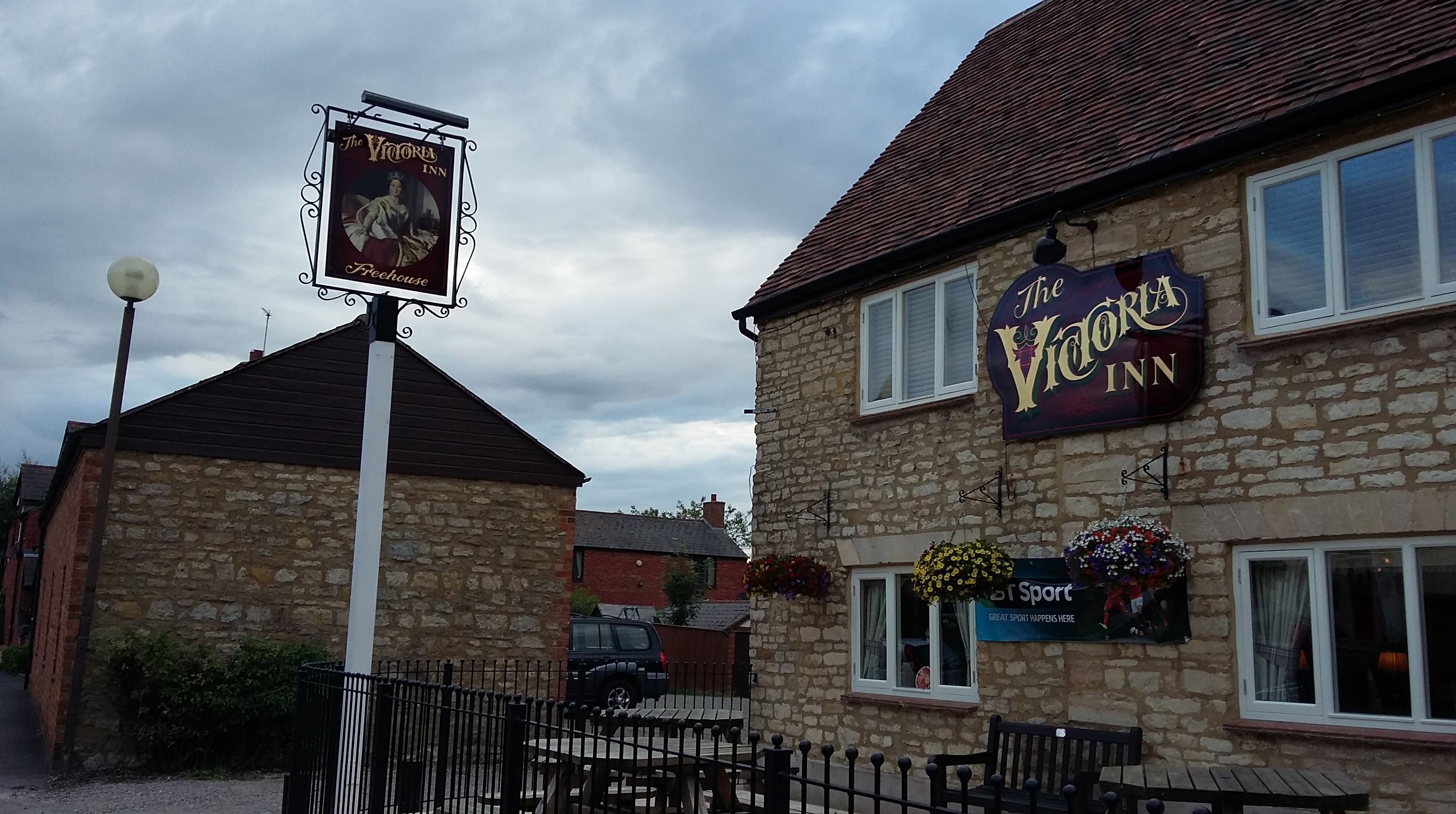
Logic might have predicted distance. Experience dictated love. Our neighbor Lynn became a close friend; I would cook Indian shrimp for her while she surprised my children with gifts and trips to the Zoo/McDonalds. My kids loved the village’s Protestant church, finding it fun. Even the village pub, with its country music and simple rhythm of life, became part of my context.
The “historical data” of colonialism was overwritten by the “real-time data” of a neighbor’s embrace.
AI agents can retrieve context. They can process enormous amounts of information. They can generate remarkably coherent responses. But there is something they still do not possess.They do not have lived experience.
AI processes information, humans carry stories that reshape the soul.
Probably I am not even halfway through. There are still many context resets ahead, many perspectives to integrate, and many biases to unlearn. Probably that is the real purpose of being alive as a human – not to defend the identities we were given, but to grow large enough to hold the humanity of others within our own.

 The Soul Compass